
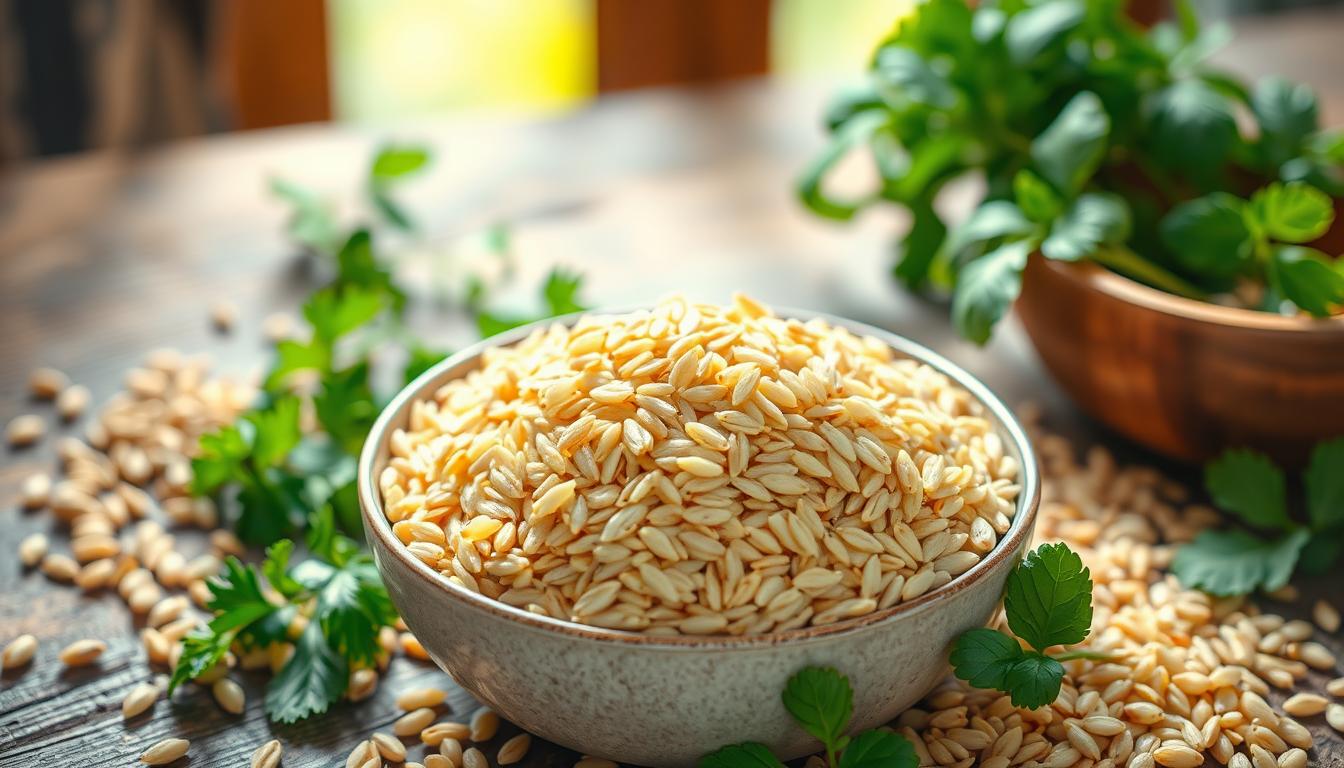
Is Brown Rice Gluten Freee
This short guide answers a common question for people managing celiac disease or sensitivity. In its natural form, whole grain and white varieties are safe staples for most diets, but context matters when grains become part of packaged products or mixed dishes.
Cross-contamination can occur during growing, milling, packaging, or in bulk bins where scoops mix. Certified gluten-free labels give extra assurance that a product was not processed near wheat, barley, or rye.
Readers will learn how this grain compares to others, where risks appear, and which label red flags to spot. You will also get brief nutrition notes: whole grain offers fiber and micronutrients, while enriched white replaces only some losses.
The tone is practical and evidence-based. Expect clear tips on avoiding seasoned mixes and bulk bins when strict avoidance is needed, and simple checks to make sure packaged products are safe.
Gluten basics and where rice fits in a gluten-free diet
Understanding gluten helps people choose safe grains for daily meals.
What gluten is and which grains contain it
Gluten is a protein found mainly in wheat, barley, and rye. These common crops contain gluten and must be avoided by people with related conditions.
Gluten-related conditions explained
Celiac disease is an autoimmune disease that damages the small intestine when someone eats gluten. Non-celiac gluten sensitivity causes similar symptoms without the same intestinal injury or antibodies.
- Goal of a gluten-free diet: remove sources of gluten and stop cross-contact during cooking and production.
- Rice is naturally free from gluten and serves as a safe meal base for many people.
- Other safe grains include quinoa, corn, millet, amaranth, teff, and buckwheat for variety and nutrients.
- Cross-contamination can occur in fields, mills, or shared packaging lines, so label reading is essential.
| Grain | Contain gluten? | Notes |
|---|---|---|
| Wheat | Yes | Major source of gluten; avoid in strict diets. |
| Barley | Yes | Often used in malt and flavorings. |
| Quinoa / Millet | No | Good alternatives to boost fiber and nutrients. |
Is Brown Rice Gluten Free
Many people wonder whether this whole grain is safe for strict gluten avoidance.
All natural forms of this grain are naturally gluten-free when unseasoned and only cleaned or packaged. In its whole form the bran and germ stay intact, so it provides fiber, B vitamins, minerals, and antioxidants that white versions lose during milling.
Fiber in the grain supports digestion and helps you feel full after meals. Antioxidants and trace minerals add nutrition that fades with processing. Brown variants often have a lower glycemic response compared with milled types.
- Buy labeled gluten-free products when celiac disease or high sensitivity is a concern.
- Rinse and cook properly to improve texture and reduce surface residues.
- Rotate grains—brown forms can contain more arsenic than milled options, so variety lowers exposure.
| Feature | Whole-grain form | Processing risk |
|---|---|---|
| Gluten content | None in unprocessed grain | Cross-contact in shared lines |
| Nutrition | Higher fiber, vitamins, antioxidants | Reduced after milling or added ingredients |
| Safety tip | Rinse and rotate grains | Choose certified products when needed |
Remember: the grain itself does not contain gluten; risks come from added ingredients or shared processing. For more on safe choices and varieties, see this guide to types of gluten-free rice. The next section compares this whole-grain option with white and wild varieties for nutrition and cooking uses.
How brown rice compares to white and wild rice for gluten-free eating

Choosing among whole-grain, polished, or wild options affects nutrition and cooking outcomes for those avoiding gluten.
Whole-grain benefits
Brown rice keeps the bran, germ, and endosperm intact. That preserves fiber, B vitamins, minerals, and phytochemicals that support digestion and satiety.
What milling changes
White rice has the bran and germ removed, which lowers its nutrients. Enriched products add back some B vitamins and iron, but not all original compounds.
About wild rice
Wild rice is an aquatic grass that is naturally gluten-free and has a nutty, chewy profile. It boosts fiber and micronutrients and pairs well with savory dishes.
- Long-grain white rice cooks fluffy; short-grain becomes creamier for dishes like risotto.
- Brown options often steady blood sugar more than refined types due to fiber.
- Rotate white and brown, and include wild varieties to balance nutrients, texture, and variety.
- Scan packaged products for hidden ingredients that can introduce rice gluten or other allergens.
| Variety | Key traits | Nutrition |
|---|---|---|
| brown rice | Whole-grain, chewy texture | Higher fiber, B vitamins, minerals |
| white rice | Polished; fluffy or creamy by grain length | Lower natural nutrients; often enriched |
| wild rice | Nutty, chewy aquatic grass | Good fiber and micronutrient content |
Types of rice that are naturally gluten-free (and how they differ)
From fragrant long-grain to chewy colored varieties, rice types shape both taste and texture. Knowing these differences helps you pick the best option for a recipe while keeping meals safe when avoiding gluten.
Long, medium, and short grain: texture and typical dishes
Long-grain cooks dry and fluffy, ideal for pilafs and side dishes. Medium-grain becomes tender and slightly sticky, good for paella or rice bowls.
Short-grain turns creamy and sticky when cooked. Use it for sushi or dishes that need a cohesive texture.
Basmati and jasmine: fragrant long-grain varieties
Basmati has a nutty aroma and separate grains after cooking. Jasmine rice offers a floral scent and softer bite.
Both are long-grain choices well suited to curries, stir-fries, and steamed side dishes.
Arborio and sticky (glutinous) rice: starch and creaminess without gluten
Arborio is a medium-grain high in surface starch. It yields the creamy texture needed for risotto without any gluten.
Glutinous or sticky rice is glue-like in texture but contains no gluten; use it for desserts and some savory plates.
Colored rice (black, red, purple): anthocyanins and nutrition
Black, red, and purple varieties get their color from anthocyanins. These pigments add phytonutrients and unique flavors.
Try colored grains in salads or as a visual and nutritional boost to main dishes.
- Grain length: short = sticky, medium = tender semi-sticky, long = fluffy.
- Pairings: long-grain for fluffy sides; short-grain for sushi; arborio for risotto.
- Cooking techniques (rinsing, water ratio) affect final texture as much as the type rice.
| Type | Texture | Best uses |
|---|---|---|
| Long-grain (basmati, jasmine) | Dry, separate | Pilaf, curries, stir-fries |
| Medium-grain (arborio) | Tender, creamy | Risotto, paella |
| Short-grain / glutinous | Sticky, cohesive | Sushi, rice bowls, desserts |
All these varieties are naturally without gluten in their unseasoned form. Watch for added seasonings or shared equipment that may introduce rice gluten. Experiment with varieties to keep meals interesting while staying safe.
When rice isn’t safe: cross-contamination, bulk bins, and shared facilities
When grains share fields, trucks, or processing lines, accidental contamination becomes possible. Farming, transport, milling, and packaging can all introduce tiny amounts of wheat or barley into a batch.
Bulk bins at stores pose a special risk. Shared scoops, airborne flour dust, and customer handling can transfer particles between items. For those who must avoid gluten, sealed packages reduce that hazard.
Practical checks and steps
- Read package statements and look for clear labels or testing claims.
- Avoid bulk bins when strict control is needed; choose sealed products instead.
- Contact manufacturers if packaging does not state shared-equipment practices.
- Preseasoned mixes can contain hidden ingredients and extra cross-contact risk.
- Clean kitchen tools and storage to make sure cross-contact does not happen at home.
| Stage | How contamination occurs | What to do |
|---|---|---|
| Farming & transport | Mixed loads, nearby fields | Buy tested or labeled items |
| Milling & packaging | Shared lines for multiple grains | Check labels; prefer certified products |
| Retail & home | Bulk scoops, shared containers | Avoid bins; clean tools and surfaces |
Hidden gluten in rice products, dishes, and sauces

A plain-looking bowl can contain unexpected ingredients that introduce gluten into a meal.
Packaged mixes and preseasoned products often hide problematic items inside flavor packets or starch blends. Scan labels for malt, malt extract, or barley-derived terms. Small additives can change whether a food is safe.
Packaged mixes and label pitfalls
Preseasoned packets, instant blends, and some spice mixes can include flour or ambiguous “natural flavors.” These are common sources of hidden gluten.
- Check ingredient lists closely for malt, barley, or wheat terms.
- A product labeled without details may have been processed on shared lines.
Common culprits in cooked dishes
Rice pilaf may use orzo (wheat pasta). Many fried rice recipes call for soy sauce that contains wheat. Sauces and gravies often use flour as a thickener.
Breakfast and seasoning traps
Cereals like Rice Krispies include malt flavor from barley and therefore are not gluten-free. Bouillon, spice blends, and seasoning packets can be processed near other grains.
| Culprit | What to check | Safe swap |
|---|---|---|
| Preseasoned mix | “Natural flavors,” starches, shared-line statements | Plain rice + homemade seasoning |
| Fried rice | Soy sauce listed under ingredients | Gluten-free tamari or coconut aminos |
| Rice pilaf | Orzo or pasta pieces; malt mentions | Use pure grain pilaf or certified product |
| Cereal & bouillon | Malt, malt syrup, barley-derived terms | Certified gluten-free cereals and broths |
When dining out, ask about pilafs, gravies, breaded add-ins, or beer-based marinades. A single sauce or ingredient can cause rice gluten to be present even if the grain looks plain.
Reading labels and choosing certified gluten-free rice and rice flour
A careful label check often separates a safe product from one that could trigger symptoms.
Look beyond the short claim on a pack. Third-party certification means the item was tested to meet set thresholds. This extra step matters for people with celiac disease or high sensitivity who must avoid gluten.
“Gluten-free” versus certified seals
“Gluten-free” on a package can be a company statement. A certified gluten-free seal shows independent testing and lower allowed traces. Choose certified products when you need extra assurance.
Ingredients to scan for
Read each ingredient list for malt, barley extract, or soy sauce with wheat. Vague “natural flavors” or starch blends may hide wheat derivatives. If you use rice flour for baking, make sure it states certified on the label.
Contacting makers and dining-out tips
If a label is unclear, call customer service to ask about testing and shared equipment. Avoid bulk bins to reduce cross-contact risk.
- Pick plain bagged rice or brands that test products.
- When eating out, request plain steamed rice with no sauce or seasoning.
| Claim | What it means | When to prefer |
|---|---|---|
| Company “gluten-free” | Manufacturer statement | Low sensitivity |
| Certified gluten-free | Independent testing | For celiac disease or strict avoidance |
| Unlabeled bulk | Possible cross-contact | Avoid for strict diets |
Beyond rice: other naturally gluten-free grains and flours to rotate in your diet
Using a variety of whole grains and flours makes meals more interesting and nutritionally richer. Rotate staples to lower reliance on one item and to broaden intake of fiber, minerals, and plant protein.
Certified oats, quinoa, corn, millet, amaranth, teff, and buckwheat each add distinct benefits. Oats supply beta‑glucan fiber for heart and gut health. Quinoa brings a complete protein profile. Corn supplies carotenoids and familiar texture for many dishes.
- Try millet, amaranth, teff, or buckwheat in porridges, salads, or flatbreads.
- Use plain popcorn as a snack; check flavored mixes for hidden wheat ingredients.
- Rice flour mixes well with other flours for breads, cookies, batters, and thickeners.
- Rinse quinoa before cooking to remove bitter saponins and verify injera contains no wheat.
| Grain / Flour | Key nutrients | Best uses |
|---|---|---|
| Oats (certified) | Beta‑glucan fiber, iron | Porridge, baking, granola |
| Quinoa | Complete protein, magnesium | Salads, pilafs, bowls |
| Millet / Teff / Amaranth | Fiber, minerals, micronutrients | Porridge, flatbreads, baking blends |
Read labels on packaged grain products to avoid wheat additives and cross-contact. Variety supports a balanced diet and reduces long-term exposure risks tied to any single staple.
Your takeaways for safe, satisfying gluten-free rice dishes today
Good routines and clear checks let people enjoy safe, satisfying rice dishes while managing celiac disease. Keep meals simple: choose plain steamed grain, add verified ingredients, and skip seasoning packets that may hide traces.
Build bowls and side dishes with purpose. Use white rice for fluffy sides, jasmine for aroma, and whole grain options when extra fiber matters. Swap regular soy sauce for a labeled tamari to avoid wheat in sauces.
At home, separate utensils, clean cookware, and store condiments in dedicated containers. When shopping, prefer sealed, certified products over bulk bins to reduce cross-contact risk.
| Quick checklist | Action |
|---|---|
| Dining out | Ask for plain steamed rice and sauce details |
| Packaged foods | Read labels; avoid malt or ambiguous flavors |
| Meal planning | Rotate grains and keep trusted certified products |
With these habits, people with celiac disease or non-celiac gluten sensitivity can enjoy varied dishes and feel confident in everyday food choices.